
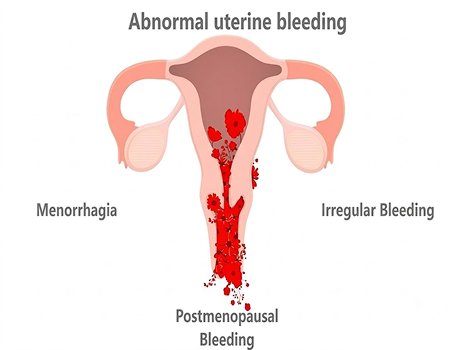
Menstrual & Abnormal Bleeding Management
Targeted medical and surgical solutions for heavy menstrual bleeding, painful cramps, spotting, and irregular cycles.
Abnormal uterine bleeding (AUB), unusually heavy periods (menorrhagia), severe cramps, or irregular spotting can significantly impair a woman’s vitality, productivity, and emotional well-being. At Prera Women’s Hospital, we utilize modern PALM-COEIN diagnostic protocols to identify the root cause of bleeding issues.
Whether caused by structural factors such as uterine fibroids, endometrial polyps, or adenomyosis, or non-structural issues like hormonal ovulatory dysfunction, thyroid imbalance, or coagulation disorders, our team offers customized medical therapies, hormone-releasing intrauterine devices (Mirena), and minimally invasive hysteroscopy.
Treatment Approaches
- Transvaginal pelvic ultrasound for endometrial thickness check
- Diagnostic hysteroscopy & endometrial biopsy sampling
- Medical management with antifibrinolytics and hormonal agents
- Levonorgestrel intrauterine system (LNG-IUS / Mirena) insertion
- Minimally invasive hysteroscopic polyp & submucous fibroid resection
- Correction of underlying anemia and iron-deficiency fatigue
- Treatment for dysmenorrhea (painful menstruation)
- Uterine-preserving alternatives to hysterectomy
What to Expect
Precise Root-Cause Diagnosis
High-resolution sonography and laboratory hormone assays to pinpoint structural and endocrine triggers.
Conservative First Approach
We prioritize effective medical therapies and intrauterine systems before considering surgical intervention.
Daycare Surgical Excellence
Minimally invasive endoscopic procedures with rapid same-day discharge and quick return to regular activities.
Frequently Asked Questions
Common questions answered regarding Menstrual & Abnormal Bleeding Management at Prera Women’s Hospital.
Needing to change pads/tampons every 1–2 hours, passing large blood clots, bleeding longer than 7 days, or feeling weak and fatigued.
No. Over 80% of abnormal bleeding cases are successfully resolved with oral medications, lifestyle adjustments, or a hormonal IUD.
An endometrial polyp is an overgrowth of cells in the lining of the uterus, typically non-cancerous but causing spotting and heavy bleeding.
Any vaginal bleeding occurring after menopause is abnormal and warrants prompt clinical and ultrasound assessment without delay.
Ready to book Menstrual & Abnormal Bleeding Management?
Our experienced team is here to answer your questions and help arrange compassionate, personalized care.
Book an appointmentWe’re here to help.
Call reception for appointment support and enquiries.
Call reception +91 82001 16267